Source Hi Visibility Fireproof Safety Pants for Fire, Mining, and Power
Compare 30 listings of hi visibility fireproof safety pants designed for industrial safety. Buyers can evaluate features like flame retardancy, thermal protection, and customizable logos across various fabric compositions and standards; compare the available evidence and request quotations based on your requirements.
Key considerations
Products List


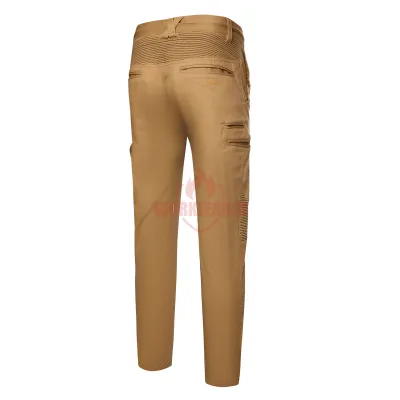
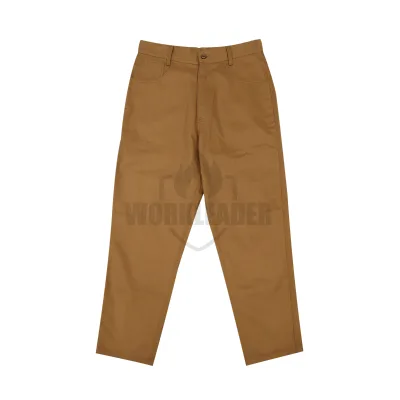
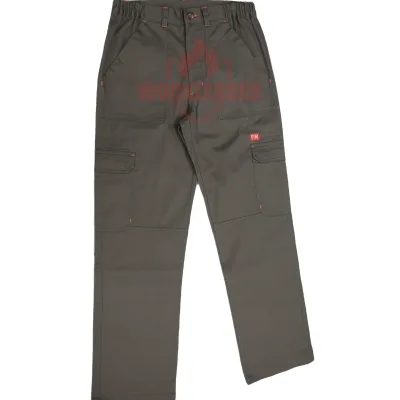


Comprehensive Sourcing Guide
Hi Visibility Fireproof Safety Pants Sourcing Guide
Procuring high-visibility fireproof safety pants requires a careful balance between thermal protection standards and visual conspicuity for industrial environments. Buyers must first define the specific hazard profile, whether it involves open flames, radiant heat, or potential chemical exposure, as these factors dictate the necessary fabric composition and structural integrity. The observed market data indicates a diverse range of options, with product models such as LSA1033, LSA1073, and LSA1081 representing different configurations of cotton blends and carbon fiber reinforcements. Understanding these variations is critical for selecting garments that meet both safety requirements and operational comfort for workers in sectors like mining, petroleum, and electrical power.
The sourcing process also demands attention to customization and logistical details, as these elements significantly impact total cost of ownership and supply chain efficiency. Factories in China offer extensive customization options, including logo printing, color selection, and specific sizing ranges from XS to 4XL, allowing organizations to align safety gear with corporate branding and diverse workforce needs. However, buyers must verify that these customizations do not compromise the integrity of flame-retardant treatments or reflective tape adherence. Establishing clear communication regarding packing methods, such as carton or bag packaging, and minimum order quantities, which typically range from 100 to 2000 units, ensures smoother negotiations and prevents unexpected delays in procurement cycles.
Product Scope and Observed Listing Signals
The current market for hi visibility fireproof safety pants presents a wide array of technical specifications tailored to distinct industrial risks. Observed listings reveal products constructed from various fabric compositions, including 100% cotton, blends of 79% cotton with 20% polyester and 1% carbon fiber, and specialized mixes featuring 98% polyester with 2% carbon fiber and PU coating. These materials are selected for their ability to provide thermal insulation, wear resistance, and anti-static properties, which are essential for environments involving electrical hazards or flammable substances. The presence of features like rip-stop construction and anti-wrinkle finishes further enhances durability, ensuring that the garments maintain their protective qualities and professional appearance throughout extended shifts in demanding work conditions.
Visual conspicuity is another critical scope element, with many products incorporating reflective tape to meet high-visibility standards. Listings indicate the use of 50mm wide reflective tape, often on a TC background, designed to pass EN471 Class 2 requirements for visibility in low-light conditions. Colors such as orange and yellow are commonly available, alongside customized options, allowing safety managers to differentiate teams or highlight specific roles within a facility. The structural design typically includes an open front with a zipper fly closure, and some models feature adjustable hems with hook-and-loop fasteners to ensure a secure fit over boots. These design choices collectively address the need for both safety compliance and practical usability in fields like fire fighting, chemical handling, and machinery maintenance.
Technical Specifications to Verify
When evaluating technical specifications, buyers must scrutinize the fabric weight and composition to ensure adequate protection against thermal hazards. The observed data highlights standards such as 240 GSM and 350 GSM, indicating that heavier fabrics generally offer superior flame retardant and radiant heat resistance. It is essential to verify whether the fabric includes carbon fiber components, which can enhance anti-static and conductive properties, or if it relies on treated cotton or polyester blends for inherent flame resistance. Additionally, the thickness classification, described as medium or medium long, should be matched to the expected environmental conditions, as thicker materials provide better insulation but may reduce breathability during physical labor. Confirming these material attributes prevents the selection of under-specified gear that could fail under extreme heat exposure.
Closure systems and accessory details also play a vital role in the overall safety and functionality of the pants. Buyers should verify the type of zipper used, such as 5# nylon zippers, which must withstand high temperatures without melting or jamming. The inclusion of labels and customized logo printing requires confirmation that these additions do not interfere with the garment’s flame-retardant integrity or cause skin irritation. Furthermore, the size range, which extends from 26 inches to 52 inches in waist measurements, must be cross-referenced with the workforce’s anthropometric data to ensure proper fit. Proper fit is crucial for maintaining the effectiveness of protective barriers and preventing loose fabric from catching on machinery or igniting sources.
Compliance and Safety Documentation
Compliance with recognized safety standards is non-negotiable for hi visibility fireproof safety pants, particularly in regulated industries. Buyers must request documentation that verifies adherence to standards such as EN 14116 for protective clothing against heat and flame, or EN 20471 for high-visibility materials. While specific test results are not provided in the general listing data, suppliers should be able to produce certificates confirming that the reflective tape passes EN471 Class 2 requirements and that the fabric meets relevant flame retardant benchmarks. It is crucial to ensure that the claimed standards are current and applicable to the specific hazards present in the workplace, as outdated or incorrect certifications can lead to significant liability issues and compromised worker safety.
In addition to fabric and tape standards, buyers should verify the care instructions and maintenance guidelines provided by the supplier. The observation that these garments are machine washable suggests a level of durability, but it is essential to confirm that repeated washing does not degrade the flame-retardant properties or the reflectivity of the tape. Documentation should include clear instructions on washing temperatures, detergent types, and drying methods to preserve the integrity of the protective features. Furthermore, any claims regarding anti-static or anti-radiant heat performance must be backed by test reports from accredited laboratories, ensuring that the pants provide reliable protection against electrical arcs and intense thermal radiation in real-world scenarios.
Cost Drivers and Commercial Terms
The cost of hi visibility fireproof safety pants is influenced by several key factors, including material composition, customization requirements, and order volume. Products with higher GSM weights, such as 350 GSM, or those incorporating specialized blends like carbon fiber, typically command higher prices due to the increased cost of raw materials and processing. Customization options, such as logo printing and specific color selections, add to the unit cost, as they require additional setup and production time. Buyers should also consider the minimum order quantity (MOQ), which ranges from 100 to 2000 units, as larger orders often benefit from economies of scale, reducing the per-unit price and making bulk procurement more cost-effective for large organizations.
Commercial terms, including payment methods, shipping arrangements, and lead times, significantly impact the total procurement cost. Suppliers based in China may offer competitive pricing, but buyers must account for international shipping fees, import duties, and insurance costs. The packing method, whether in cartons or bags, affects shipping efficiency and potential damage during transit, so it is important to negotiate packaging standards that minimize risk. Additionally, lead times can vary based on the complexity of customization and the current production schedule, so establishing clear delivery timelines in the contract is essential to avoid operational disruptions. Understanding these commercial dynamics allows buyers to budget accurately and negotiate favorable terms that align with their procurement strategy.
Supplier Qualification and Quality Control
Selecting a reliable supplier for hi visibility fireproof safety pants requires thorough qualification and rigorous quality control measures. Buyers should verify the supplier’s manufacturing capabilities, ensuring they operate in a factory setting with established production lines for protective clothing. It is advisable to request samples for physical inspection, checking the quality of stitching, the durability of zippers, and the adherence of reflective tape. Suppliers should also provide evidence of their quality management systems, such as ISO certifications, to demonstrate their commitment to consistent product quality. Conducting factory audits, either in person or through third-party agencies, can provide valuable insights into their production processes, labor practices, and overall operational reliability.
Quality control should extend beyond initial sampling to include ongoing monitoring during production. Buyers should implement a clear inspection protocol, such as pre-shipment inspections, to verify that the delivered goods match the approved samples in terms of material, color, size, and safety features. It is crucial to define acceptable quality limits (AQL) for defects, such as loose threads, misaligned seams, or faded reflective tape, and to establish procedures for handling non-conforming products. Additionally, suppliers should be required to provide batch-specific test reports for flame retardancy and high-visibility performance, ensuring that every shipment meets the required safety standards. This proactive approach to quality control minimizes the risk of receiving substandard products and protects the organization from potential safety liabilities.
Long-Term Procurement Checks
Long-term procurement of hi visibility fireproof safety pants requires continuous monitoring of supplier performance and product relevance. Buyers should establish key performance indicators (KPIs) to track delivery reliability, product quality, and responsiveness to issues. Regular reviews of supplier performance data can help identify trends, such as increasing defect rates or delayed shipments, allowing for timely interventions or supplier changes. It is also important to stay updated on evolving safety standards and technological advancements in protective clothing, ensuring that the procured garments remain compliant and effective against emerging workplace hazards. Engaging in periodic feedback sessions with the supplier can foster a collaborative relationship and drive continuous improvement in product quality and service.
Furthermore, buyers should regularly assess the fit and comfort of the safety pants among workers to ensure they continue to meet operational needs. Feedback from end-users can highlight issues such as restricted movement, inadequate ventilation, or discomfort during long shifts, which may necessitate adjustments in sizing or material selection. It is also essential to monitor the lifespan of the garments and establish clear replacement cycles based on wear and tear, rather than relying solely on expiration dates. By maintaining a proactive approach to procurement, organizations can ensure that their workforce is consistently protected by high-quality, compliant, and comfortable safety gear, ultimately enhancing overall workplace safety and productivity.
FAQs
What customization options are available for these safety pants?
Customization is available for logos, colors, and specific product models. Buyers can request customized logo printing and choose from orange, yellow, or other customized colors. The factory supports tailored solutions for security and industrial applications while maintaining standard fabric compositions.
Which fabric compositions are used for these fireproof safety pants?
The product page lists multiple fabric options including 100% cotton, 79% cotton with 20% polyester and 1% carbon fiber, and 99% cotton with 1% carbon fiber. Some variants feature a PU coated shell with 98% polyester and 2% carbon fiber to ensure flame retardant and anti-static performance.
Can these pants be used in chemical and petroleum industries?
Yes, these safety pants are applicable for fire, chemical, petroleum, electric power, and mining industries. They offer thermal insulation, wearproof protection, and anti-radiant heat features suitable for demanding environments like machinery and food processing sectors requiring high safety standards.
What are the standard sizes and length options for these trousers?
Available sizes range from XS to 4XL with a full size range of 26 inches to 52 inches. Length options include medium long and lengthen styles. The pants feature an open fronted structure with a zipper fly closure and adjustable hem width using hook and loop tape.
How are these safety pants packed and what is the origin?
The products originate from China and are packed in cartons or bags within cartons. The standard weight is 240 GSM or 350 GSM depending on the model. Packaging ensures safe transport while maintaining the integrity of the flame retardant and anti-static properties during shipping.
What certifications or standards do these pants meet?
The pants meet EN standards and feature reflective tape that passes EN471 Class 2 requirements. The fabric composition includes carbon fiber for enhanced safety. While specific ASTM or ISO certifications are noted in background data, the primary documented standard is EN for the reflective tape and general safety.
Are these pants suitable for winter and spring seasons?
Yes, the product is designed for winter, spring, and autumn seasons. They provide thermal insulation and flame retardant protection suitable for cold weather work environments. The medium thickness and specific fabric blends ensure comfort and safety across varying seasonal conditions for adult workers.